



A calm home protects your mental health and helps you get a good night's sleep. If you want to lower your stress levels and wake up refreshed, your bedroom setup matters most. This carefully curated guide shows you how simple habits and smart choices can turn your home into a restful retreat.
How to Create a Relaxing Sleep Environment
You can make your bedroom the most restful spot in your home. Dedicate this space entirely to sleep and recovery. Here, you don’t just sleep. You escape daily stress to recharge your mind and body. Follow these steps to build the perfect environment that helps you fall asleep fast.
1. Upgrade Your Bedding
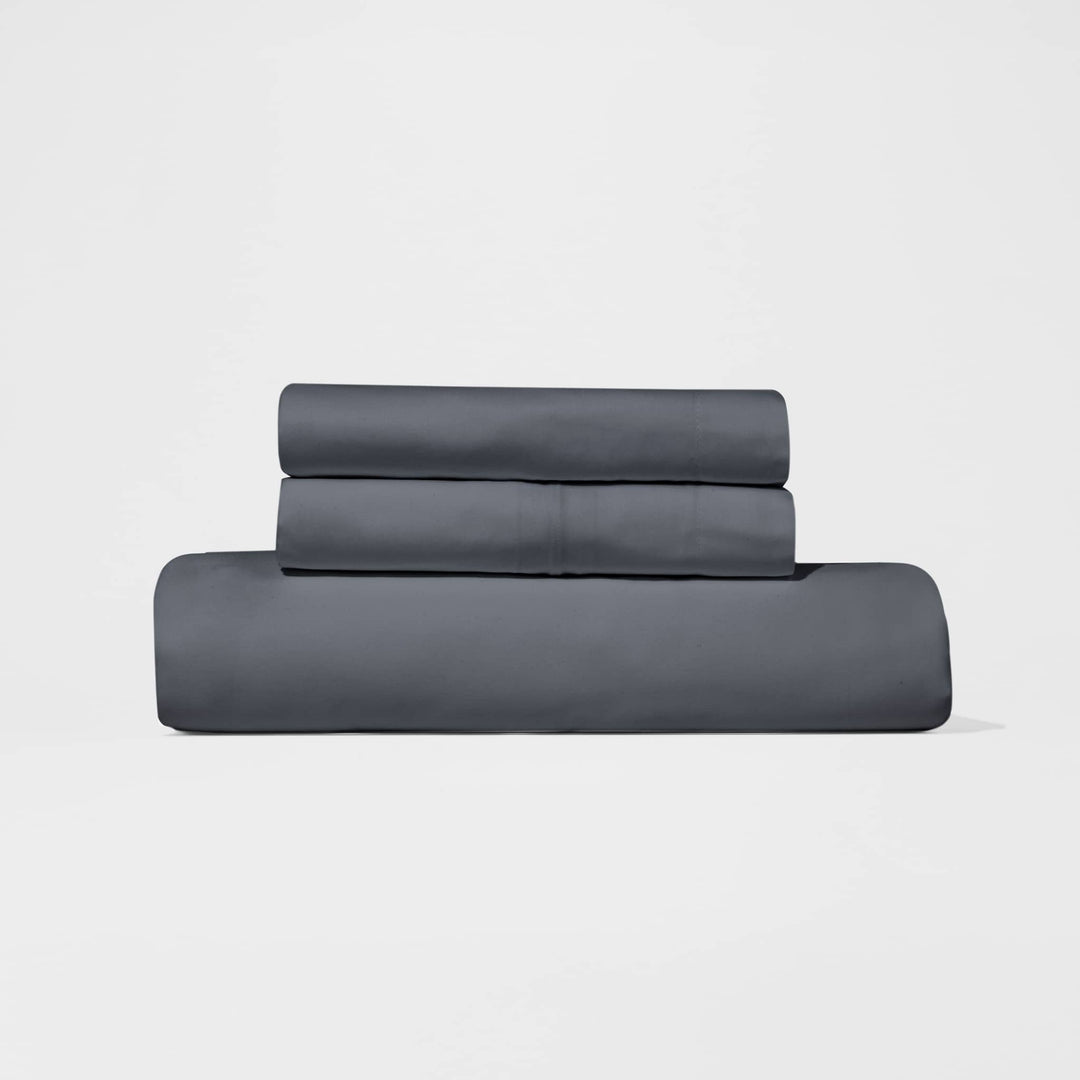
Your bed is the heart of your room. Changing your sheets can completely transform how you rest. Choose soft, natural cottons like sateen or percale. These materials breathe, which keeps you cool and dry. They also feel great against your skin, helping you fall into a deep, healthy sleep. Doze Bedding offers soft sheets, pillows, and the Down Alternative Duvet insert that stays cool all night. These products help you build a peaceful home environment. They stop you from getting too hot or itchy, so you wake up feeling refreshed.
2. Clean Up Your Space
A messy room is uncomfortable and unpleasant to the eyes. Keep your space clutter-free. Having many unrelated things on your desk can make you feel anxious. Spend just five minutes a day tidying up. Keep your nightstand clear, hide your belongings in drawers, and keep laundry or work out of the bedroom. Create a space meant only for rest. This helps you get a great sleep, and you feel peaceful when you declutter regularly.
3. Control Your Light Sources
Light controls your body's internal clock. Blue light during screen time with phones, laptops, TVs, and other devices stops your body from making melatonin, the hormone you need to fall asleep. To rest better, put away your screens an hour before bed. Use warm, dim lamps in the evening to mimic the sunset and signal to your brain that it’s time to sleep. Hang blackout curtains to block streetlights and keep your room pitch black. During the day, open your curtains to let in the sun. Bright daylight resets your internal clock, which helps you stay alert as you work.
4. Find the Best Temperature
Aim for an ideal sleeping environment temperature between 59 and 67°F (15-19°C). You will struggle to stay asleep if your room is too hot or too cold. Keep the air fresh by using a fan or opening a window. A cool, steady temperature helps your body's internal heat drop naturally. This drop in temperature is an important signal that tells your brain it's time to sleep.
5. Add Calming Sounds and Scents
Sounds and scents help you relax more than you might realize. Use white noise or soft music to drown out noise from traffic or loud neighbors. Include scents like lavender, chamomile, or sandalwood. You can use a diffuser or light a candle to create a soothing atmosphere. These smells tell your brain to stop worrying and start relaxing for the night.
You create a space that helps you improve sleep quality when you combine soothing sounds and smells. You build a serene environment that lowers your stress and helps you sleep better every night by choosing the right bedding, lights, and sounds.

The Benefits of a Peaceful Home
A peaceful home directly improves your body, mind, and mood. It serves as a daily escape from a busy world. In this sanctuary, your body relaxes and your energy returns. Here is how a peaceful home helps you:
1. Better Sleep
Your bedroom setup determines how quickly you fall asleep. When you use soft fabrics and pillowcases from Doze Beddings, you will fall asleep faster and wake up feeling refreshed. A good sleep environment gives you more energy, sharper focus, and a stronger immune system. Over time, sleeping well protects you from burnout and bad moods.
2. Lower Your Stress and Anxiety
Make your home the one place where your body can truly relax. A calm space with warm lights and soft colors helps your nervous system settle down. Your body naturally lowers its stress hormones when your home feels safe and quiet. Simple habits like drinking tea or deep breathing work better in a calm room.
3. Boost Your Mental Health
Your surroundings shape how you feel. Clutter can make you feel anxious and overwhelmed. Whereas an organized and tidy home gives your mind a place to rest. You can manage your emotions easily and make better decisions when your home is calm. You are using your home to protect your mind by tidying it.
4. Make Self-Care Easier
A peaceful home encourages you to take care of yourself. You find it easier to put your needs first when your space feels soft, clean, and calm. In a comfortable home, you are more likely to stretch on the floor to clear your head or take a warm bath after a long day. Your environment acts as a reminder to slow down and live in the moment. Over time, these small acts of self-care help you stay strong and build healthy habits that keep you feeling your best.
5. Enjoy Your Daily Life
A peaceful home turns boring chores into relaxing habits. You see your daily life in a better way when your home feels calm. Small details like soft music or the feel of smooth sheets make ordinary moments feel special. You start to enjoy house chores like folding laundry or cooking, instead of rushing through them. These moments help you connect with your home and yourself. You look forward to being in your space when it’s well-kept. Your home becomes a place to sleep and the best part of your day.

Simple Practices for Better Rest
Build a peaceful home by making small, simple choices. You create a calm space that helps you relax when you combine these choices. Use these everyday tips to improve your sleep and feel more rested.
1. Build a Nightly Routine
Train your body to get ready for sleep by following the same steps every night. Turn off your electronic devices and TV an hour before bed. Dim the lights, light a scented candle, or take a warm shower. Doing these things consistently teaches your brain when it's time to rest.
2. Use Your Bed Only for Sleep
Stop working or watching TV in bed. These activities confuse your brain. Your brain forgets that the bed is for resting when you do everything in bed. To sleep better, use your bed only for sleep. Selecting the right size for your space, as seen in this Queen vs King bed comparison, can also ensure your environment feels open and dedicated to recovery. This helps your mind realize that as soon as you lie down, it's time to drift off.
3. Decorate with Natural Materials
Use materials like wood, cotton, wool, and stone in your home. These elements look pretty and help you feel calm. Using natural textures creates a calming effect and connects you to the outdoors.
4. Let in Fresh Air
Outside air improves air quality and makes your home feel clean and bright. Open your windows during the day whenever you can. You can also use plants or air filters to remove dust mites and allergens. This keeps the air healthy and helps you breathe easier.
5. Layer Soft Fabrics
Choose different textures, like thick duvets, soft rugs, and linen curtains. These items soften the look of a room and make it feel more welcoming. Use heavy curtains or extra layers of fabric to absorb sound and keep your space quiet.
6. Make Shared Rooms Comfortable
Make your living room as relaxing as your bedroom. Put in one or two comfortable chairs and keep the space tidy. Use soft blankets or a scent diffuser to try different moods throughout the day. You create a space where everyone can relax together by keeping these rooms calm.
7. Use Soft Lighting
Dim your lights to create a calm atmosphere that helps your body and mind get ready for sleep. Avoid using bright overhead lights in the evening. Instead, turn on lamps that provide soft, indirect light to help you relax.
8. Play Calming Music
Music quickly reduces stress and anxiety. Build a playlist of soft instrumental songs that help you relax. Play this music quietly while you get ready for bed to signal to your brain that it's time to rest.

Frequently Asked Questions About How to Make Home a Sanctuary
Can a Home Really Be a Sanctuary?
Yes! You can turn your home into a peaceful sanctuary where you feel refreshed. Use intentional design and healthy habits to make this happen. Small changes, like spending less time on your phone or adding soft music and warm lights, make a big difference. Together, these steps create a home that takes care of both your body and your mind.
How Do I Create My Own Sanctuary at Home?
Start by deciding what makes you feel relaxed. Build a peaceful home by using soft fabrics and items like plants or candles. Keep your home tidy and clean. Use calming sounds and pleasant scents to set the mood, and set aside specific areas for resting and taking care of yourself. Make sure every part of your home helps you feel your best. Depending on what you want, for instance, you can create a cozy corner for reading or a quiet bedroom.
What is the 3-5-7 Rule of Decorating?
Use the 3-5-7 rule to make your decor look balanced and interesting. Group your items in odd numbers like three, five, or seven to make them look more natural and attractive. For example, you can place three candles of different heights on a tray or hang five pictures on a wall. This rule helps you style tables and walls to create a calm and beautiful home.
Can a Bedroom Be a Sanctuary?
Yes! You can make your bedroom a sanctuary. This room has the biggest impact on your well-being when you create a calm mood. Use blackout curtains, white noise, soft bedding, and relaxing scents to turn your bedroom into a place where you can truly rest. Keep the room tidy and leave your electronics at the door to sleep better and improve your mood.
Final Thoughts
You don’t need a perfect house or a big budget to create a relaxing home. Instead, focus on making simple, purposeful choices that add comfort to every room. Small steps make a big difference. Let in clean air and sunlight to brighten your space, or use soft sheets and blackout curtains to help you sleep better. Your goal is to build a home that helps you feel refreshed.
Start small. Change just one room or one habit at a time. Each step you take brings a little more peace into your life. A relaxing environment gives you the energy and a clear mind you need to face the world with confidence, from relaxing at night to starting your morning.